Thyme for Sleep Essential Oil Lotion Recipe for Sleep
 By Karen Williams · September 27, 2021 · 4 min read
If you lie awake at bedtime, this essential oil lotion recipe for sleep is a simple place to start. It pairs unscented lotion with three relaxing essential oils, and all three contain linalool.
A member of the monoterpenol chemical family, linalool calms the nervous system, eases anxious feelings, and invites deep relaxation. Monoterpenols are also very skin-friendly, and linalool in particular helps skin restore itself after damage. So the lotion settles your night and cares for your skin at the same time.
Aromatherapists call a blend of similar oils like this a synergy. Combined, the oils can do more than any single one could on its own.
How to use the lotion
Timing is part of the recipe. Smooth the lotion on a few hours before bed, and let it be your cue to switch off electronic devices for the night. Keep a jar by the bed too, in case you wake during the night.
Thyme for Sleep Essential Oil Lotion
Here is the full recipe.
Ingredients
- 2 oz (56 g) Natural, unscented lotion
- 10 drops Lavender essential oil (Lavandula angustifolia)
- 10 drops Neroli-Petitgrain co-distill essential oil (Citrus aurantium var amara)
- 10 drops Thyme ct linalool essential oil (Thymus vulgaris ct linalool)
Directions
- Put the lotion into a 2 oz (60 ml) glass jar. (Or any container you like.)
- Add the drops of each essential oil.
- Stir well with a glass stirring rod or a stainless steel spoon.
The oils need several minutes to blend into the lotion. Once blended, they will not separate. That's it!
Why these three oils
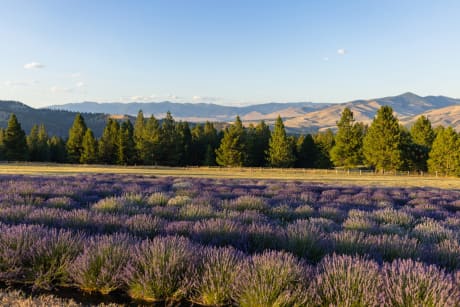
Lavender (Lavandula angustifolia) is one of the best-loved essential oils in the world for relaxation, sleep, and skincare, and for good reason. It is very rich in linalool. It also contains linalyl acetate, which shares some of linalool's effects, so the two components deepen each other's work. Lavender is also mild enough for kids.
Neroli-petitgrain co-distill comes from the bitter orange tree in an unusual way. The flowers and the leaves go into the still together, and one oil comes out from two plant parts. Producers can also distill the two parts separately and combine the oils right after. However it is made, the oil is soothing for muscle spasms, emotional distress, and irritated skin. Its aroma is herbal with floral notes.
Thyme ct linalool (Thymus vulgaris ct linalool) is where the chemotype really matters. Thyme essential oil comes in multiple varieties, and not all of them contain linalool. Some carry more irritating components, such as thymol. The ct linalool chemotype avoids irritating skin and mucous membranes, which is exactly what you want in a lotion. The other thymes tend to perk up the senses rather than settle them, so check the label before you buy.
More help at bedtime
A diffuser blend working alongside the lotion can support rest even further. We paired vetiver (Vetiveria zizanoides) with cape chamomile (Eriocephalus punctulatus) in the vetiver and cape chamomile diffuser blend for sleep. Vetiver is a deep, rich base note, known in Sri Lanka as the Oil of Tranquility, and it is supportive when you feel mentally exhausted yet unable to sleep.
Run the diffuser for about an hour at bedtime. And when bedtime itself is the hard part, the essential oils for sleep field guide gathers oils, methods, recipes, and safety into one place.
Common questions
What if I only have regular thyme?
Regular thyme oil often carries more irritating components like thymol, and it can bother skin and mucous membranes. It also tends to wake your senses up. Thyme ct linalool is the chemotype this blend needs, so it is worth seeking out.
When should I put the lotion on?
A few hours before bed works best, around the time you switch off your screens. Keep the jar by the bed for night wakings.
Why is it called a co-distill?
Because two parts of the bitter orange tree, the flowers and the leaves, go into the still together. One oil comes out from two plant parts. Producers can also distill the parts separately and combine the oils right after distillation.
Learn to blend for rest
If you would like to make more recipes like this one, the Aromatherapy for Natural Living course teaches hands-on methods for a healthy home, DIY skin care, and immunity support. It is a warm next step whenever you are ready.

Lead instructor and face of Aromahead. Karen has taught tens of thousands of students to blend with confidence, from first drop to clinical practice.

This is what Natural Living begins, and certification completes.
Start with the chemistry, safe dilution, and blending in Natural Living · Natural Living. Free to begin.
A new oil, a recipe, and a lesson — every week.
Join the free weekly email and keep learning between visits. No spam, just good aromatherapy.
Free forever · unsubscribe anytime · written by the Aromahead instructor team.