Natural Colorants: How to Use Plant-Based Dyes in Creams, Oils, and Lotions
 By Karen Williams · April 3, 2026 · 7 min read
Working with color in a way that supports both the formula and the skin.
Color is often the first thing we notice.
A golden balm feels warm and nourishing. A soft pink cream feels gentle and calming. Before we ever experience how a product performs, we’ve already formed an impression through its color.
But that color always comes from somewhere, and not every source is worth using.
In modern skincare formulation, plant-based colorants are becoming a more considered choice. It’s not simply about appearance. It reflects a broader shift toward working with ingredients that support safety, keep formulations straightforward, and make it easier to understand exactly what’s being applied to the skin.
At the same time, this shift brings up a more practical question—one that many formulators eventually ask:
Do we need color at all?
Because while color can enhance the experience of a product, it doesn’t improve how that product functions. And in some cases, it can introduce unnecessary complexity.
This is where formulation becomes more intentional.
Understanding when to include color, how to use it properly, and when to leave it out altogether is part of developing a more thoughtful, grounded approach to your work.
Let’s take a closer look at both—how to use natural colorants well, and where they truly add value.
What Are Natural Colorants in Skincare?
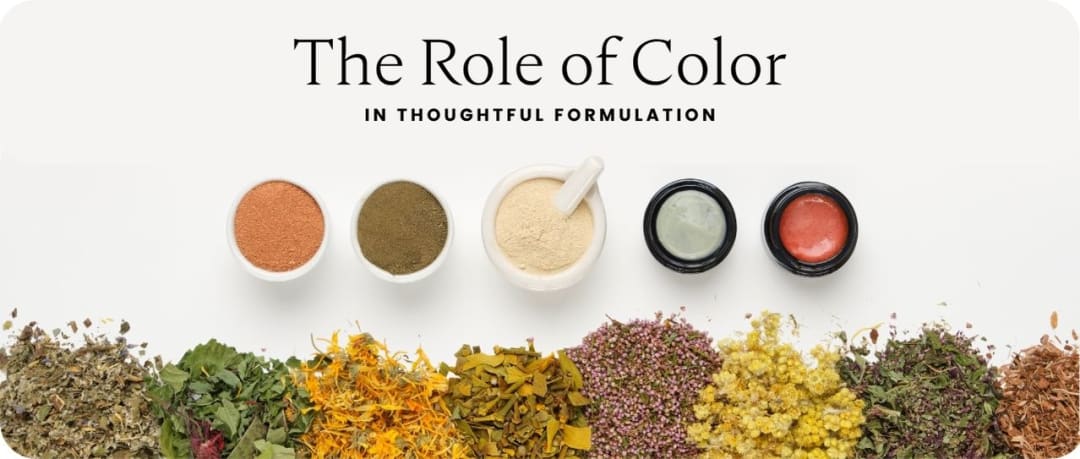
Natural colorants are pigments derived from:
- Plants (roots, leaves, flowers, seeds)
- Minerals and clays
- Botanical extracts
They’re commonly used to tint:
- Oils
- Balms
- Creams
- Lotions
Compared to synthetic dyes, they tend to produce softer, more natural tones and align more closely with ingredient-conscious formulation.
In some cases, they may also contribute supportive properties to the skin—but their primary role is visual.
Understanding that distinction helps keep your formulation decisions clear and intentional.
Oil vs. Water-Soluble Colorants
Once you begin working with natural colorants, how they interact with your formula becomes just as important as the color itself.
One of the most common formulation mistakes comes down to solubility:
- Oil-soluble colorants → for balms, oils, and butters
- Water-soluble colorants → for lotions and emulsions
When they’re mismatched, you’ll often see:
- Uneven or patchy color
- Separation
- Weak or inconsistent results
Getting this right isn’t complicated, but it is foundational. It’s one of those small details that directly affects the quality and stability of your final product.

Safe Plant-Based Colorants You Can Actually Use
With that foundation in place, choosing the right colorant becomes much more straightforward.
Here are reliable options, along with realistic starting amounts. These are gentle ranges—color in natural formulation is meant to be built gradually.
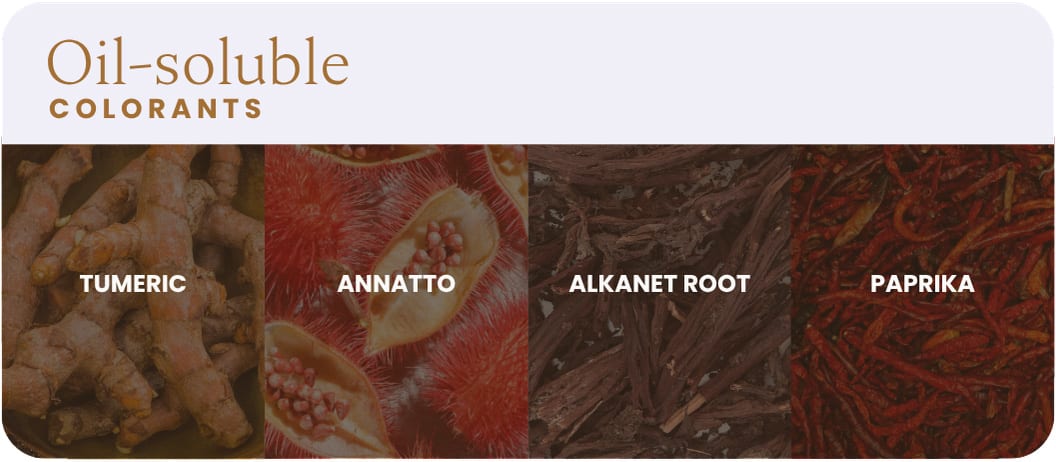
Oil-Soluble Options
Turmeric → bright yellow
Use: ⅛–¼ teaspoon per 1 cup (240 ml) oil
Very potent—use lightly to avoid staining.
Annatto → warm, golden orange
Use: ½–1 teaspoon seeds per 1 cup (240 ml) oil (infused)
Stable and beginner-friendly.
Alkanet Root → deep purple to burgundy (pH-sensitive)
Use: 1–2 teaspoons per 1 cup (240 ml) oil (infused)
Build slowly for better control.
Paprika → orange-red
Use: ¼–½ teaspoon per 1 cup (240 ml) oil (infused)
Less stable—best for short-term products.
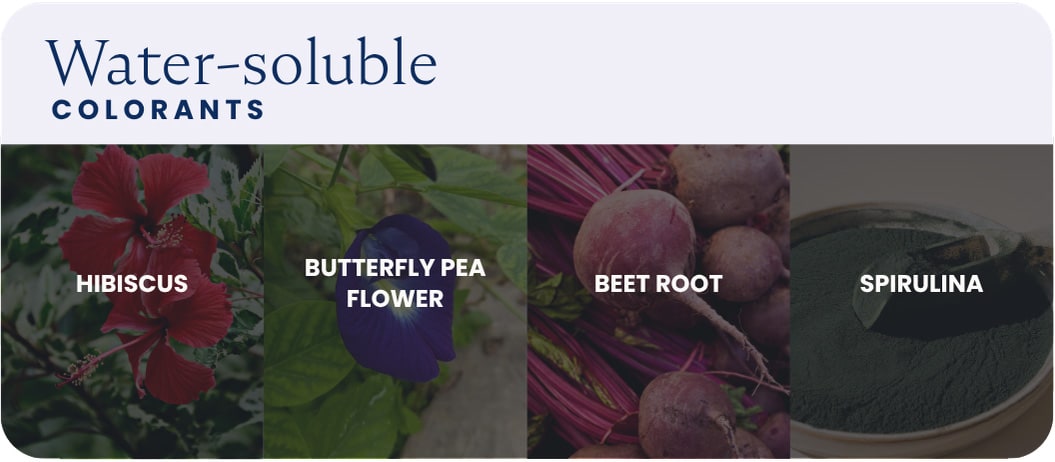
Water-Soluble Options (Useful water-based products like creams and lotions)
Hibiscus → pink to red
Use: ½–1 teaspoon per 1 cup (240 ml) water phase
Butterfly Pea Flower → blue to purple
Use: 1–2 teaspoons per 1 cup (240 ml) water (infused)
Beet Root → soft pink
Use: ¼–½ teaspoon per 1 cup (240 ml) water
Spirulina → green
Use: ⅛–¼ teaspoon per 1 cup (240 ml)
Add during cool-down—sensitive to heat.
A Practical Note on Usage
Working with natural color requires a slightly different mindset than working with synthetic dyes.
These are starting points and not fixed rules. It takes experimentation to come up with your perfect color!
Color develops slowly, and often subtly. It’s far easier to deepen a shade than to correct one that’s too strong or unstable.
Why Some Colorants Are Best Avoided
As you begin exploring options, it becomes just as important to understand what not to use.
Not everything labeled “natural” is appropriate for skincare formulation.
Synthetic dyes may offer consistency, but they don’t contribute to skin function and can be irritating for some individuals.
Non-cosmetic grade ingredients introduce a different kind of risk: contamination, inconsistency, and uncertainty in how they behave within a formula.
And even with plant-based options, overuse can quickly shift a product from balanced to problematic.
A simple rule keeps things clear:
If it’s not cosmetic grade, it doesn’t belong in your formulation.
Why Some Formulators Skip Color Entirely
This naturally leads to another perspective and one that many experienced formulators arrive at over time.
Color becomes optional.
Choosing to leave it out often results in:
- Greater stability
- Fewer variables to manage
- A smoother, more consistent texture
- A clearer focus on how the product performs
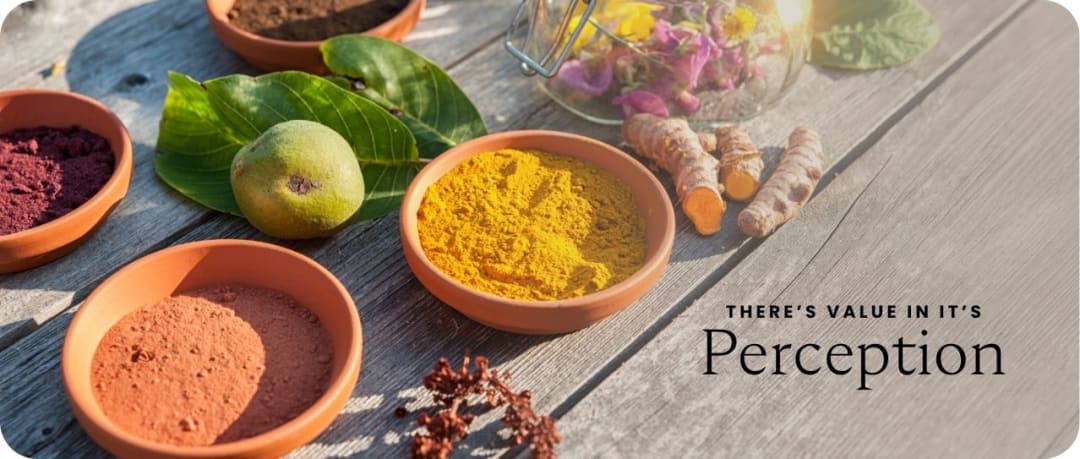
Because at its core, color doesn’t improve function. It shapes perception.
And for many formulations, that distinction matters.

A Balanced Perspective
Rather than approaching colorants as something to include or avoid entirely, a more useful approach is to see them as a tool.
One that can enhance a formulation when used with intention, and one that can be left out just as intentionally.
This shift in thinking is what allows your work to become more refined over time.
If you’re just starting, choose one oil-soluble colorant and work with it consistently before expanding. This helps you understand how color behaves within your formulations over time.
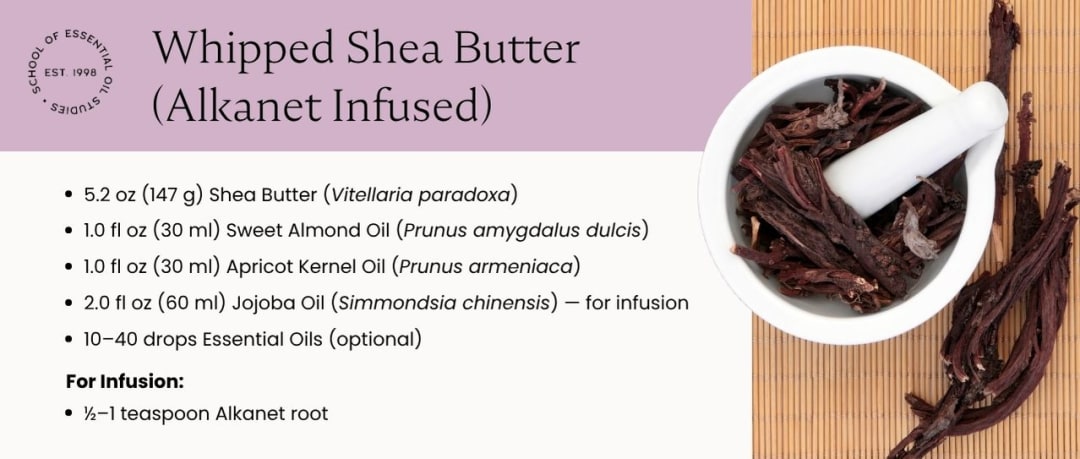
Example Recipe: Whipped Shea Butter (Alkanet Infused)
A simple, well-balanced formula where color is infused directly into the oil phase creating a smooth, even tone while keeping the texture light and stable.
With alkanet root, you can expect a soft lavender to muted purple tone, depending on how concentrated your infusion is. Lighter infusions will lean more toward a dusty, gray-purple, while a stronger infusion can deepen into a richer, burgundy hue.
Because alkanet is naturally pH-sensitive, the exact shade may shift slightly, but in this oil-based formula it typically stays within a range of soft purples.
Ingredients
- 5.2 oz (147 g) Shea Butter (Vitellaria paradoxa)
- 1.0 fl oz (30 ml) Sweet Almond Oil (Prunus amygdalus dulcis)
- 1.0 fl oz (30 ml) Apricot Kernel Oil (Prunus armeniaca)
- 2.0 fl oz (60 ml) Jojoba Oil (Simmondsia chinensis) — for infusion
- 10–40 drops Essential Oils (optional)
For the infusion:
- ½–1 teaspoon alkanet root
Equipment:
- Double boiler
- Cheesecloth or fine mesh strainer
- 16 fl oz PET jar (or container of choice)
Method (with Alkanet Infusion)
- Add the jojoba oil (Simmondsia chinensis) to a double boiler.
- Add the alkanet root and gently heat for 15–20 minutes, keeping the heat low. This allows the color to slowly infuse into the oil.
Alternatively, prepare this ahead of time. Combine jojoba oil and alkanet root in a glass jar and let it sit for 2–3 weeks, shaking occasionally. Strain when ready and measure what you need.
- Once infused, strain thoroughly using cheesecloth or a fine mesh strainer.
- Return the infused oil to the double boiler and add shea butter (Vitellaria paradoxa) along with the remaining carrier oils.
- Allow everything to fully melt together, then remove from heat.
- Stir in essential oils, if using.
- Place the mixture into the freezer for 20–30 minutes, or until solid. This helps prevent graininess and improves texture.
- Once solid, whip until light and airy.
Transfer to your container and its ready to use!
Essential Oil Suggestion (Optional)
A simple guideline:
5 drops essential oil per 1 oz (28 g) of oils and butters for daily use
This formula is approximately 8 oz:
Up to 40 drops total
Suggested Blend (Evening Application):
- 40% Sweet Orange (Citrus sinensis) → 16 drops
- 30% Lavender (Lavandula angustifolia) → 12 drops
- 20% Patchouli (Pogostemon cablin) → 8 drops
Total: 36 drops
This is a beautiful blend that feels calm, steady, and especially suited for evening use. And, there are many options!
My Takeaway
Natural colorants can add beauty and character, but they’re not essential.
What matters most is how a product performs, how stable it remains over time, and how well it supports the skin.
Color can complement that.
But it should never come at the expense of it.
Learning to recognize that balance, and working within it, is what builds confidence and consistency in your formulations over time.
Where to Source Natural Colorants
If you’re ready to begin working with natural colorants, sourcing quality ingredients matters.
Look for suppliers that offer cosmetic-grade materials, proper processing, and clear labeling.
A few reliable options:
- Aromatics International – clays and select botanical materials
www.aromatics.com - Shay and Company – a wide range of natural colorants and formulation ingredients
shayandcompany.com/product-category/colorants/body/ - MakingCosmetics – cosmetic-grade colorants and formulation ingredients with technical documentation
www.makingcosmetics.com
A practical note: Not all plant materials are processed with skincare in mind. When possible, choose suppliers that clearly indicate cosmetic use, or ensure you’re properly filtering and testing your infusions.

Lead instructor and face of Aromahead. Karen has taught tens of thousands of students to blend with confidence, from first drop to clinical practice.
This is what Natural Living begins, and certification completes.
Start with the chemistry, safe dilution, and blending in Natural Living · Natural Living. Free to begin.
A new oil, a recipe, and a lesson — every week.
Join the free weekly email and keep learning between visits. No spam, just good aromatherapy.
Free forever · unsubscribe anytime · written by the Aromahead instructor team.