Essential Oil Absorption: Why Application Method Matters in Aromatherapy
 By Karen Williams · February 20, 2026 · 8 min read
Chemistry Is Only Half the Story
Have you ever diffused Lavender and felt calmer within minutes, yet noticed a slower and steadier effect when you applied that same oil to your skin?
The essential oil was the same. Its chemical profile remained unchanged. What shifted was the way your body absorbed and responded to it.
In professional aromatherapy education, we devote significant attention to chemistry. We study monoterpenes, esters, phenols, aldehydes, oxides, ketones, and sesquiterpenes. We analyze therapeutic actions and review safety considerations.
Yet chemistry is only part of the picture.
How essential oils are absorbed plays an equally important role in determining therapeutic outcome.
Once we understand essential oil absorption, formulation becomes intentional rather than habitual, and the method of application becomes part of the therapeutic strategy.
Essential Oil Absorption: Why Method Matters
Essential oils are composed of small, lipophilic, volatile molecules.
Their lipophilic nature allows them to move through lipid rich tissues such as the outer layer of the skin, cellular membranes, and the alveoli of the lungs. At the same time, their volatility means they evaporate readily.
This combination of fat solubility and volatility makes the application method clinically significant.
When we alter the way an essential oil enters the body, we influence:
- How quickly effects are perceived
- How deeply constituents penetrate
- How long they remain active
- Whether the effect is localized or systemic
- The degree of nervous system involvement
A rapid emotional shift from inhalation is physiologically different from the sustained muscular support of a topical preparation. Both approaches are valuable, but they work through different pathways.

Inhalation: Direct Influence Through the Nervous System
Inhalation provides one of the fastest routes of influence because it engages the olfactory system.
When volatile molecules from oils such as Lemon, Eucalyptus, or Lavender enter the nasal cavity, they bind to olfactory receptors. These receptors send signals directly to the limbic system, the area of the brain involved in memory, emotional regulation, and autonomic function.
This neurological pathway explains why inhalation can help calm acute anxiety, shift emotional tone, enhance focus, and support perceived respiratory ease within minutes.
Highly volatile constituents such as monoterpenes and oxides are especially active in this method of application. Examples include d-limonene, alpha-pinene, and 1,8-cineole. Because these molecules evaporate quickly, inhalation tends to produce rapid effects that may require reapplication for sustained support.
Inhalation is particularly appropriate when speed of response is the priority.

How Essential Oils Are Absorbed Through the Skin
Topical application introduces essential oils through the skin, primarily via the stratum corneum.
The stratum corneum is composed of keratinized cells embedded in lipids. Because essential oils are lipophilic, they dissolve into this lipid matrix and begin moving inward. From there, constituents may diffuse into deeper layers, reach the dermis, enter capillary circulation, and distribute more broadly.
Dermal absorption unfolds more gradually than inhalation, but it offers sustained exposure and prolonged tissue contact.
Topical application is especially useful when muscular support, joint comfort, skin repair, or extended localized contact is the therapeutic priority.

The Role of Carrier Oils in Essential Oil Absorption
Carrier oils do far more than dilute essential oils for safety. They influence how quickly essential oils are absorbed, how deeply they penetrate, how rapidly they evaporate, and how long they remain in contact with tissue.
Each carrier oil has its own fatty acid profile, viscosity, and level of occlusiveness. These characteristics shape how an essential oil moves through the skin and how steadily it is released.
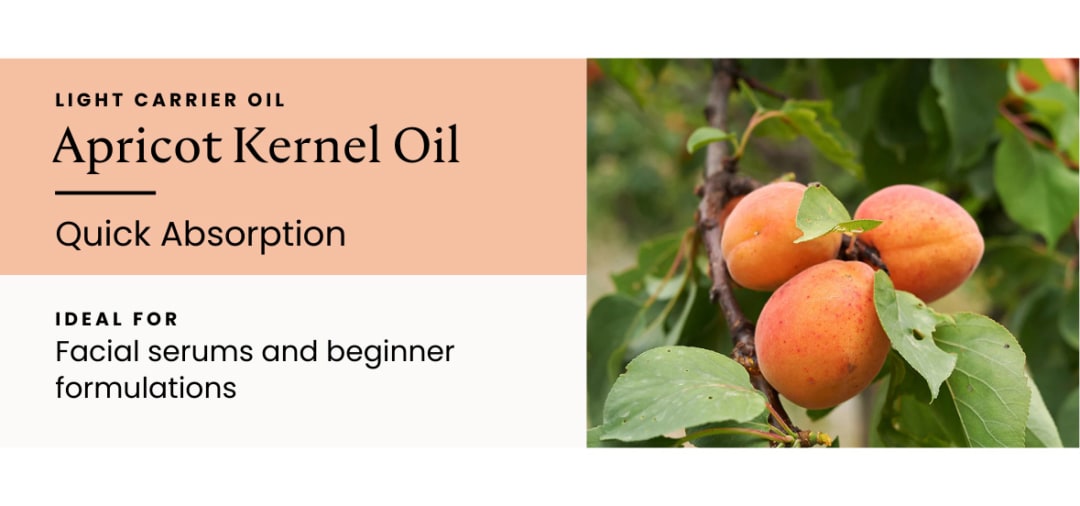
Lighter carriers such as Apricot Kernel Oil absorb relatively quickly and feel less occlusive. Balanced carriers such as Jojoba or Sweet Almond Oil provide moderate absorption and excellent glide, making them ideal for massage and general body applications.
Richer and more occlusive carriers such as Avocado, Pomegranate Seed Oil, or Castor Oil slow evaporation and increase contact time. These are particularly beneficial for dry or compromised skin and for formulations where extended localized exposure is helpful.
The essential oil provides the chemistry, but the carrier oil influences the pace and persistence of delivery.


Occlusive Preparations and Extended Contact
Topical application is especially useful when muscular support, joint comfort, skin repair, or extended localized contact is the therapeutic priority.
Butters such as Shea (Vitellaria paradoxa) and Mango (Mangifera indica) soften readily at skin temperature and provide moderate occlusion. Harder butters such as Cocoa Butter (Theobroma cacao) create a denser protective layer and slow evaporation more significantly.
In body butter formulations, hard and soft butters are typically blended with a liquid carrier such as Jojoba Oil (Simmondsia chinensis). This combination improves spreadability while maintaining meaningful barrier support.
Blending solid and liquid lipids allows the preparation to be distributed evenly across the skin. Even distribution supports consistent contact between essential oil constituents and the tissue, moderates evaporation, and enhances controlled exposure.
Occlusion is particularly beneficial when moisture retention and barrier repair are therapeutic priorities. It should be avoided on fresh wounds or areas requiring active drainage.
Understanding the degree of occlusion allows the aromatherapist to select not only the essential oil, but also the texture and delivery system appropriate for the situation.

Application Examples: How Method Shapes Outcome
Understanding essential oil absorption becomes most meaningful when applied in real situations. The same oil can produce different therapeutic experiences depending on how it enters the body.
Acute Anxiety Before a Presentation
Approach:
Inhale Lavender (Lavandula angustifolia) with other calming oils directly from a tissue or personal inhaler. A small amount diluted in Jojoba Oil (Simmondsia chinensis) may also be applied to the chest for continued aromatic support.
Clinical Rationale:
Inhalation stimulates the limbic system, which influences heart rate, breathing patterns, and stress response. Because this pathway is neurologically direct, effects are often perceived quickly. A light topical application can extend aromatic exposure while remaining supportive.
When speed of nervous system regulation is the goal, inhalation is typically prioritized.

Persistent Upper Back Tension
Approach:
Apply a massage oil formulated in a liquid carrier such as Jojoba or Sweet Almond Oil. An example blend may include:
- 1 fl oz Jojoba Oil (Simmondsia chinensis)
- 8 drops Balsam Copaiba (Copaifera officinalis or Copaifera reticulata)
- 6 drops Spike Lavender (Lavandula latifolia)
- 4 drops Peppermint (Mentha × piperita)
Clinical Rationale:
Muscular tension involves neuromuscular signaling, local inflammatory mediators, and circulatory factors. A properly formulated massage oil supports comfort through multiple pathways. Dermal absorption allows constituents to interact with superficial tissues, while manual massage increases circulation and tissue warmth. The carrier oil moderates evaporation and sustains contact, allowing multiple constituents to work synergistically rather than relying on a single compound.
In this case, duration and tissue engagement are prioritized over speed.

Chest Support Using a Salve
Approach:
A semi occlusive salve may be prepared using:
- 0.25 oz Beeswax Pellets (Cera flava)
- 1.75 fl oz Jojoba Oil (Simmondsia chinensis)
- 12 drops Cedarwood (Juniperus virginiana)
- 12 drops Lavender (Lavandula angustifolia)
- 10 drops Eucalyptus (Eucalyptus globulus)
For children between five and ten years of age, the essential oil portion may be simplified and reduced to:
- 5 drops Cedarwood (Juniperus virginiana)
- 5 drops Lavender (Lavandula angustifolia)
Clinical Rationale:
A salve creates a semi occlusive barrier that slows evaporation and prolongs localized exposure. When applied to the chest, volatile constituents are gradually released and gently inhaled over time while also remaining in contact with the skin. This dual pathway supports respiratory comfort through both aromatic influence and sustained tissue contact.
Here, gradual diffusion and extended presence are the therapeutic priorities.

Dry or Compromised Skin
Approach:
Apply a body butter style preparation that combines soft and hard butters with a liquid carrier. For example:
- 1 fl oz Jojoba Oil (Simmondsia chinensis)
- 0.75 oz Shea Butter (Vitellaria paradoxa)
- 0.25 oz Cocoa Butter (Theobroma cacao)
Essential oils rich in sesquiterpenes or other gentle skin supportive constituents may be incorporated according to individual need.
Clinical Rationale:
Body butters create a semi occlusive environment that reduces transepidermal water loss and strengthens barrier integrity. Soft butters provide emollience and flexibility, while harder butters contribute additional structure and occlusive support.
When blended with a liquid carrier, the preparation spreads more evenly while maintaining barrier protection. In cases of dryness or barrier compromise, rapid penetration is not the primary objective. Sustained contact, moisture retention, and prolonged presence become therapeutically significant. Heavier molecular constituents are particularly well suited to this format because they evaporate more slowly and support extended exposure.
Here, protection and persistence are emphasized.

My Take Away
This is where aromatherapy becomes deeply engaging.
When you understand essential oil absorption and how application method shapes therapeutic response, blending shifts from selecting pleasant aromas to designing intentional outcomes. You begin thinking in terms of speed, depth, duration, and tissue target. You consider not only which oil to use, but how that oil should enter the body in order to support the desired result.Over time, what once felt technical becomes intuitive.
Patterns begin to emerge. The relationship between chemistry and delivery becomes clearer, and formulation grows more deliberate and refined.
The oil carries the chemistry, but the method of application determines how that chemistry is experienced. When both are considered together, practice becomes more precise, and confidence develops naturally from understanding.
If this way of thinking resonates with you, this is the foundation we build inside the Essential Oil Specialist.
In this article, we have explored only a portion of what application method can include. Beyond liquid carriers and butters, professional aromatherapy also involves water based preparations, lotions and emulsions, aromatic sprays, compresses, and bath applications, each with distinct absorption patterns and therapeutic considerations.
As chemistry and method begin working together in your thinking, formulation expands beyond selecting oils. You start designing delivery systems that align with the individual, the environment, and the therapeutic goal.
When the full range of application methods is understood, aromatherapy moves from blending to intentional practice.

Lead instructor and face of Aromahead. Karen has taught tens of thousands of students to blend with confidence, from first drop to clinical practice.
This is what Natural Living begins, and certification completes.
Start with the chemistry, safe dilution, and blending in Natural Living · Natural Living. Free to begin.
A new oil, a recipe, and a lesson — every week.
Join the free weekly email and keep learning between visits. No spam, just good aromatherapy.
Free forever · unsubscribe anytime · written by the Aromahead instructor team.