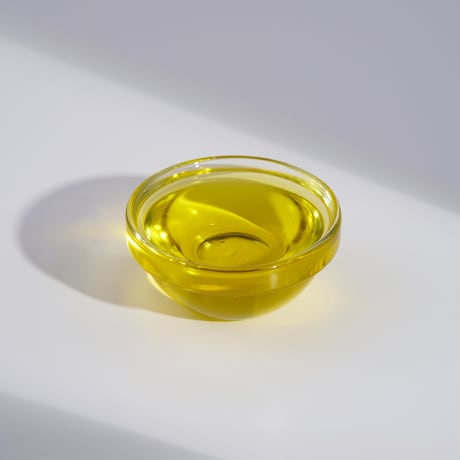
Lemon Essential Oil: Benefits, Uses, Safety, and Therapeutic Applications
A Grove Full of Light
If you’ve worked closely with essential oils, you know Lemon well. It’s often one of the first oils we reach for, whether to lift the mood in a room, support focus, or bring clarity to a blend. There’s a familiarity to it, but also a deeper intelligence.
Cold-pressed from the fresh peels of fruit grown in sun-drenched groves in countries such as Italy, Portugal, Spain, and the United States, Lemon essential oil carries a clean, radiant quality that helps clear stagnation, uplift the spirit, and restore a sense of direction, especially when the mind feels foggy or the body weighed down. Its affinity for the solar plexus speaks to its ability to gently reset our internal compass, helping us feel more focused, present, and capable.
How Lemon Essential Oil Is Made: Where Fruit, Sun, and Air Meet
Lemon essential oil is typically cold-pressed from the fresh peel of the fruit, though it can also be steam distilled. Both forms have value, but for aromatic vibrancy and true-to-fruit brightness, cold-pressed Lemon is often preferred.
When the peel is freshly expressed, it captures the moment when fruit, warmth, and air come together. The aroma is bright, layered, and distinctly citrus, offering a balance of freshness, lightness, and subtle complexity.
A Glimpse Through Time: Lemon in Traditional Medicine
Lemon has a long and varied history across cultures. While the essential oil itself was not used in antiquity, the fruit and peel were well known in many traditional systems of healing.
- Ancient Egypt: Used for purification of food, water, and skin.
- Ayurveda: Considered cleansing, stimulating, and cooling; traditionally used to balance Kapha and Pitta and support digestion, skin clarity, and respiratory health.
- Traditional Chinese Medicine: Regarded as energetically cooling and supportive of liver function; used to help move stagnant Qi.
- Greco-Roman traditions: Citrus fruits were valued for digestive and breath-freshening qualities.
Lemon essential oil carries forward this legacy, supporting both physiological and emotional clarity.
From Peel to Bottle: Yield and Potency
Lemon essential oil is produced by cold-pressing the fresh rind of the fruit. This mechanical process preserves the aromatic integrity of the peel and results in the bright, recognizable scent associated with freshly expressed lemon zest.
The yield of cold-pressed Lemon essential oil is low, averaging around 0.2 percent of the fresh fruit’s weight. Depending on fruit size and peel thickness, it takes approximately 2,500 to 3,000 lemons to produce one kilogram of essential oil, roughly equivalent to one liter or 34 fluid ounces.
This means a 15 mL bottle of Lemon essential oil represents the peel of approximately 40 to 60 lemons.
While a single drop of Lemon essential oil represents only a portion of one lemon’s peel, it contains that peel’s volatile aromatic compounds in a highly concentrated and unbuffered form. Essential oils are composed solely of these volatile molecules and do not contain the water, fiber, or other constituents present in the whole fruit. This selective concentration is what gives essential oils their potency and also why appropriate dilution and thoughtful use are essential.
Lemon Essential Oil Benefits: Aroma, Chemistry, and Therapeutic Properties
Lemon essential oil opens with a bright, clean, and fresh citrus aroma that is distinctly true to the fruit. As the aroma settles, subtle fruity and gently sweet nuances emerge, giving the scent a balanced and cohesive character.
Aromatically, Lemon supports mental clarity and focus and is often chosen when mental fatigue, fogginess, or difficulty concentrating is present. It is particularly useful when the mind feels overworked, helping to clear mental heaviness and restore a sense of engagement.
From a chemical perspective, Lemon essential oil is composed primarily of monoterpenes, with d-limonene typically making up 50–70 percent of the oil. This constituent contributes to Lemon’s aroma and supports many of its therapeutic properties, including antioxidant and anti-inflammatory activity. For a deeper look at citrus oils rich in this compound, see Boost Your Health with Essential Oils Rich in d-Limonene.
Other key constituents include:
- γ-Terpinene: Known for antioxidant and antiviral activity and studied for its role in easing tension and discomfort.
- β-Pinene: Offers gentle support against inflammation and microbes, with early research suggesting potential relevance for bone health.
- Geranial and Neral: Naturally occurring aldehydes that contribute to Lemon’s soft, sweet undertone and are associated with calming and skin-supportive effects.
Because monoterpenes contain double bonds in their chemical structure, they are more prone to oxidation. As a result, Lemon essential oil typically has a shelf life of about two years when stored properly. Understanding this connection between chemistry and shelf life supports safe and effective practice.
Aroma Notes
Lemon opens with a clean, uplifting brightness, then softens into fruity undertones with a subtle grounded quality. The aroma is crisp, sweet, and unmistakably citrus. It aligns naturally with sensations of clarity, freshness, and renewed perspective.
Why You’ll Reach for Lemon Again and Again
Lemon essential oil is a trusted staple in both everyday life and therapeutic practice. Its versatility makes it one of the most frequently used oils.
Lemon offers support in several key areas:
- Mood support: Diffuse or use in an inhaler blend to help ease emotional heaviness and mental fatigue.
- Natural cleaning: Cuts through grease, supports surface cleanliness, and refreshes indoor air. You may enjoy this Essential Oil Shower Cleaner with White Pine and Lemon.
- Skincare: Helps brighten dull skin and balance oil production when used within proper dilution guidelines. Avoid sun exposure if used above recommended topical limits.
- Respiratory support: Commonly included in blends to help open airways and provide seasonal support.
- Bone and joint care: The constituent β-pinene shows early promise in supporting bone health, though more research is needed to understand its full role in aromatherapy.
- Emotional and energetic support: A helpful companion in blends designed for comfort, clarity, and ease.
Energetic and Emotional Qualities of Lemon
Lemon essential oil brings a bright, clearing quality that supports movement, particularly when things feel stagnant or muddled.
Energetically, it is associated with the solar plexus, located in the upper abdomen just below the sternum. This region governs digestion and energy processing and is also where stress, irritability, or gut-level tension may be felt. Organs associated with this area include the stomach, liver, pancreas, and gallbladder.
On an emotional level, the solar plexus relates to confidence, direction, and the ability to take clear, aligned action. Lemon supports this space with a lightness that feels steady rather than forceful. It uplifts without overstimulation and restores clarity without urgency. You can explore this aspect further in How d-Limonene in Citrus Oils Boosts Happiness.
Common Misunderstandings and Safer Choices
One of the most common misconceptions surrounding Lemon essential oil is the suggestion to add a drop directly to drinking water. Essential oils do not disperse in water, and this practice can expose sensitive tissues of the mouth, throat, and digestive tract to concentrated oil.
A more effective and appropriate way to work with Lemon essential oil is through inhalation or topical use within proper dilution guidelines. Aromatic use allows essential oils to interact directly with the olfactory system, which is closely linked to mood, focus, and emotional processing.
For mental fatigue, low energy, or difficulty concentrating, inhaling Lemon essential oil is a practical and supportive option. If you’re new to this method, see How to Make an Aromatherapy Inhaler.
Ways to Work with Lemon Essential Oil
Lemon essential oil brings a bright, uplifting presence into everyday life. The following six recipes highlight its versatility, from mental clarity and circulation to skincare and home care.

1. Morning Energy Diffuser Blend
Fresh, clarifying support for focus and mental alertness
- 4 drops Lemon essential oil (Citrus limon)
- 2 drops Peppermint essential oil (Mentha piperita)
- 2 drops Rosemary essential oil (Salvia rosmarinus ct. camphor)
Diffuse in the morning as you move through your routine, especially when mental clarity and focus are needed.

2. Lemon and Honey Green Clay Face Mask
A simple weekly treatment to support balanced, refreshed skin
- 1 teaspoon green clay (add more if needed for a smooth consistency)
- 1 teaspoon raw honey
- 1 teaspoon water or Lavender hydrosol (Lavandula angustifolia)
- 1 drop Lemon essential oil (Citrus limon)
Mix ingredients into a smooth paste. Apply to clean skin and leave on for 5–10 minutes. Rinse with warm water and follow with your preferred moisturizer or facial oil.

3. Citrus Surface Cleaner
A fresh, effective blend for everyday household cleaning
- 1 fl oz (30 ml) white vinegar
- 1 fl oz (30 ml) hydrosol or distilled water (Lavender hydrosol is a favorite)
- 15 drops Lemon essential oil (Citrus limon)
- 15 drops Tea Tree essential oil (Melaleuca alternifolia)
Combine all ingredients in a 2 fl oz (60 ml) spray bottle and shake before each use. Store in a cool location and use within 1–2 weeks.

4. Lemon Sugar Face Scrub
Gentle exfoliation that leaves skin soft and refreshed
- 1 cup (240 g) granulated sugar
- 1/2 cup coconut oil (120 g) (Cocos nucifera) or carrier oil of choice
- 10 drops Lemon essential oil (Citrus limon)
Blend ingredients thoroughly and store in a sealed jar. Massage gently into damp skin, then rinse and pat dry.
Tip: Add more or less sugar or carrier oil for a nice consistency.

5. Lymphatic Support Massage Blend
Encourages circulation and lymphatic movement when stagnation is present
- 5 drops Lemon essential oil (Citrus limon)
- 5 drops Laurel Leaf essential oil (Laurus nobilis)
- 5 drops Juniper Berry essential oil (Juniperus communis)
- 1 fl oz (30 ml) Jojoba oil (Simmondsia chinensis)
Dilute in jojoba oil or another favorite carrier. Apply gently to the desired area using light, upward strokes.

6. Morning Clarity Lotion Blend
Balanced support for mental clarity and refreshed energy
- 10 drops Lemon essential oil (Citrus limon)
- 10 drops Lavender essential oil (Lavandula angustifolia)
- 4 drops Peppermint essential oil (Mentha × piperita)
- 2 oz (56 g) Unscented lotion.
Blend essential oils into the lotion. A glass stir rod works well! Apply as desired to support focus, clarity, and a clear start to the day.
For additional household and kitchen-related ideas, see
3 Ways to Use Lemon Essential Oil in the Kitchen.
Safety
- Phototoxicity: Cold-pressed Lemon essential oil is phototoxic when used topically above 12 drops per 1 ounce (30 mL) of carrier oil.
- Topical use: Use at a 1–2 percent dilution for bath oils, massage oils, or lotions. Patch testing is recommended.
- Aromatic use: Phototoxicity concerns apply only to topical use. Diffusers and inhalers do not carry phototoxic risk.
- Sun exposure: Avoid sun exposure on treated areas for at least 12 hours after higher-concentration topical use.
- Other citrus oils: Sweet Orange and distilled Lime are non-phototoxic. Bergamot, Grapefruit, and cold-pressed Lime are phototoxic, and limits are cumulative in blends.
My Takeaway
I always keep Lemon essential oil in my home apothecary. Its aroma helps clear mental fog, restore focus, and bring a sense of lightness to both space and mood. Whether diffused, blended for topical use, or incorporated into household routines, Lemon is one of the oils I return to again and again.
A simple tip from my home to yours: adding a drop or two of Lemon essential oil to the bottom of a floor mop can help refresh indoor air while supporting cleanliness. Small practices like this remind us how effective simple, well-chosen tools can be.
References & research
Battaglia, S. (2018). The Complete Guide to Aromatherapy (3rd ed.).
The International Centre of Holistic Aromatherapy. Price, S., & Price, L. (2012). Aromatherapy for Health Professionals (4th ed.). Churchill Livingstone.
Tisserand, R., & Young, R. (2014). Essential Oil Safety: A Guide for Health Care Professionals (2nd ed.).
Anandakumar, P., Kamaraj, S., & Vanitha, M. K. (2020). D-limonene: A multifunctional compound with potent therapeutic effects. Journal of Food Biochemistry, 44(12), e13566.
Lopresto, C. G., Meluso, A., Di Sanzo, G., Chakraborty, S., & Calabrò, V. (2019). Process-intensified waste valorization and environmentally friendly d-limonene extraction. Euro-Mediterranean Journal for Environmental Integration, 4, 29.
Zhao, C., Zhang, Z., Nie, D., & Li, Y. (2022). Protective effect of lemon essential oil and d-limonene on intestinal inflammation in mice. Frontiers in Nutrition, 9, 843096.
Aromatics International GCMS Reports

This is what Natural Living begins, and certification completes.
Start with the chemistry, safe dilution, and blending in Natural Living · Natural Living. Free to begin.
A new oil, a recipe, and a lesson — every week.
Join the free weekly email and keep learning between visits. No spam, just good aromatherapy.
Free forever · unsubscribe anytime · written by the Aromahead instructor team.