Home · Essential oil guides · Essential oil dilution chart

An Aromahead reference guide

Essential oil dilution chart

For everyday body care, 2%. For the face, children, and anyone sensitive, 1% or less. Start there. On the bottle side, that is 10 to 12 drops of essential oil in 1 oz (30 ml) of carrier for a body blend. The right number shifts with the skin involved, the person, and how long you plan to use the blend.

  • 1% is about 5 to 6 drops in 1 oz (30 ml) of carrier
  • The drop count is the total for the whole blend
  • Under five: carrier oils and hydrosols, no essential oils
  • Some oils carry a ceiling of their own, lower than 2%

The chart

Percent is the essential oil's share of the whole blend, carrier included. Read down for the situation, across for the drops.

UseWho and whereDilutionDrops per 1 oz (30 ml)Notes
Face and sensitive areasadults, leave-on face products0.5% to 1%2 to 3 · 5 to 6Thinner, more reactive, sun-exposed skin. Many face recipes carry no essential oil at all.
Everyday body careadults, massage oils and daily body products2%10 to 12The reliable everyday level.
A specific complaintadults, sore or tight muscles3%15 to 18Step up for a particular issue, not for daily care.
Short-term, small areaadults, chest congestion or a sports recovery rub5% to 10%25 to 30 · 50 to 60A short stretch on a small area. More care and judgment, not a habit.
Children 5 to 10, elders, pregnancy, sensitive skinpregnancy past the first trimester, the medically fragile, the fragrance-sensitive0.25% to 1%1 to 2 · 5 to 6Adult ranges begin around age eleven.
Babies and toddlers under fivethe Aromahead Approach0%noneCarrier oils and hydrosols do the work. Essential oils begin around ages five to ten.
Kept in reserveacute, severe, localized cases25%, or undilutedrarelyUndiluted means helichrysum or lavender only, one spot, a short time.

Drops per 1 oz (30 ml) of carrier. Two figures where the range has two ends.

Print the chartOne page, letter size, the same figures as this page.

Drops per bottle

One fluid ounce (30 ml) of carrier holds about 500 to 600 drops. Every number in this table follows from that, rounded to whole drops. The count is the total for the blend, shared among every oil in it.

Bottle0.5%1%2%3%5%
5 mlup to 11234 to 5
10 ml123 to 45 to 68 to 10
15 ml1 to 235 to 68 to 913 to 15
1 oz (30 ml)35 to 610 to 1215 to 1825 to 30
2 oz (60 ml)5 to 610 to 1220 to 2430 to 3650 to 60

A 10 ml roller bottle at 2% takes about 3 to 4 drops, and at 1% about 2. The counts feel tiny at first. They are correct.

Why dilution matters

Essential oils are concentrated. Used undiluted on skin, they can cause rashes and, over time, sensitization. A certification student's friend learned this the hard way. Undiluted oils left her with rashes on her hands and face, and at her worst, being in a room where oils were in use made the rashes itch. She recovered by avoiding them entirely, then returning at very low concentrations.

A carrier oil spreads a small dose over a larger area and stands between the oil and your skin. Concentration is what keeps a blend safe. Everything else, the oils you choose and the way you combine them, is what makes it good.

Face and sensitive areas

For the face, stay between 0.5% and 1%. Facial skin is thinner, more reactive, and often sun-exposed. Layered products stack the dose, since your serum sits on top of your moisturizer. One or two drops per fluid ounce is plenty. Plenty of face recipes need no essential oil at all. The essential oils for skin field guide goes deeper on all of this.

Everyday body use

Daily body care and massage oils sit at 2%, which is 10 to 12 drops per ounce. If you are blending for a specific complaint, such as sore, tight muscles, 3% is the working level, about 15 to 18 drops per ounce. Our massage blend dilution post walks through the math step by step.

Short-term, targeted use

Sometimes a blend needs more strength for a short stretch. For a localized need like chest congestion, or a sports recovery rub, 5% to 10% on a small area is the range. Five percent is 25 to 30 drops per ounce, and 10% is 50 to 60. This is not a daily habit. Higher concentrations ask for more care and judgment from you, and a shorter timeline.

Children, elders, pregnancy, sensitive skin

Some skin asks for less. Children from around ages five to ten, elders, pregnancy past the first trimester, the medically fragile, and anyone fragrance-sensitive do well between 0.25% and 1%. A quarter of a percent is just 1 to 2 drops per ounce. Adult ranges begin around age eleven. Under five, the Aromahead Approach skips essential oils altogether and reaches for carrier oils and hydrosols instead. Essential oils enter the picture gradually, from around ages five to ten.

The levels we keep in reserve

A few levels stay in reserve. Twenty-five percent is for acute, severe, localized cases, such as intense muscle cramps or significant bruising. It is rarely necessary. Undiluted use is rarer still. Only Helichrysum italicum or Lavandula angustifolia, on one small spot, for a short time. A bee sting, a small burn, a bruise. If you never reach for these levels, your blends are probably just fine.

Baths and sprays

Water changes the math. Essential oils do not dissolve in it, so never drop them straight into a bath. They float, then land on your skin undiluted. Blend them into a carrier or a bath salt mix first. Our bath safety post covers the details.

For sprays, Solubol disperses the oils in water, and since there is no preservative, make a fresh bottle every few weeks. Citrus needs one more caution. Bergamot and lemon are phototoxic on skin before sun, so keep them low in leave-on blends, or diffuse them instead.

Oils with their own ceiling

Some oils carry a maximum of their own, lower than the everyday range. The figures come from Tisserand and Young's Essential Oil Safety, and the table lists the ones our recipes meet most often. An aromatherapist checks the oil first, not only the percentage.

OilMaximum on skinWhy
Ylang ylang (Cananga odorata)0.8%About 4 to 5 drops per ounce. Not for children under two.
Jasmine absolute (Jasminum grandiflorum)0.7%May react with fragrance-sensitive dermatitis.
Rose otto (Rosa damascena)0.6%A single drop goes a long way.
Clove bud (Syzygium aromaticum)0.5% or lessShort periods only. Not in a bath, not with babies.
Peppermint (Mentha × piperita)1% to 2%Our working maximum. Not for children under five.
Bergamot (Citrus bergamia)2 drops per ounce on skinPhototoxic before sun. Diffusing raises no concern.
Lemon (Citrus limon)12 drops per ounce on skinPhototoxic above that on sun-exposed skin.
Grapefruit (Citrus paradisi)24 drops per ounce on skinPhototoxic above that on sun-exposed skin.

Leave-on skin blends. Diffusing side-steps every phototoxic limit.

The school behind this chart

Every figure on this page comes from our own classroom and blog, written and reviewed by working aromatherapists, not compiled from other people's charts.

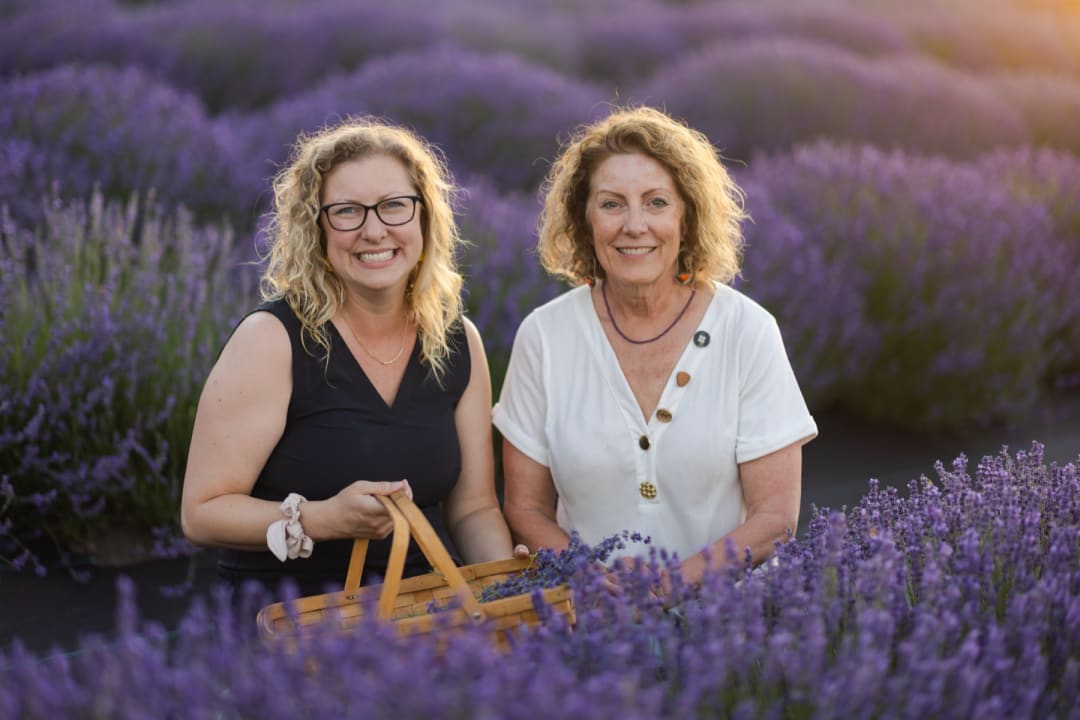
Karen and Jenny of Aromahead gathering lavender in the field

NAHA & AIA Approved

Aromahead is an approved school with the National Association for Holistic Aromatherapy and the Alliance of International Aromatherapists.

13,273+ students

have chosen the Aromatherapy Certification Program to turn a love of essential oils into real skill.

Working aromatherapists

Founded by Andrea Butje and taught by aromatherapists who see clients: the people who know why the answer changes from one person to the next.

Honest answers

Is 2% always safe?
No. It is the everyday level for adult body care. The face, children, pregnancy, and sensitive skin call for less, and some oils carry a maximum below 2% no matter who is blending. The person and the oil both adjust the number.
How many drops fit in a 10 ml roller bottle?
At 2%, a 10 ml roller bottle holds about 3 to 4 drops, and at 1% about 2. The counts feel tiny at first. They are correct.
Can I use essential oils undiluted?
Rarely, and only Lavandula angustifolia or Helichrysum italicum, on one small spot, for a short time. A bee sting or a small burn might qualify. Everything else gets a carrier.
What if I have three oils in one blend?
The percentage covers the blend as one unit. Three oils at 2% in 1 oz divide the 10 to 12 drops among themselves. Each oil does not get its own dozen.
When should I ask a certified aromatherapist?
When the situation involves a health condition, medication, pregnancy, a child, or an oil with a low ceiling. A chart gives ranges. A trained aromatherapist reads the person, the oil, and the situation together.
References
  1. Tisserand, R. & Young, R. (2014). Essential Oil Safety, 2nd edition. Churchill Livingstone. The per-oil dermal maximums.
  2. Aromahead Institute, Aromatherapy Certification Program lessons: Blending Guidelines and Dilutions; Measurement Equivalents; the skin and dilution lesson. The ranges, the drop math, and the age bands.
  3. Butje, A. (2021). What dilution is right for essential oil massage blends? The 1%, 2% and 3% drop counts by bottle size.

Full bibliographic entries live on the source articles linked throughout this guide, starting with the massage blend dilution post.

A chart gives a range.
A person needs a reading.

An aromatherapist reads the person in front of them and chooses within it. That judgment is learnable. The Aromatherapy Certification Program teaches formulating for a specific person, 235 credit hours, all online. When you are ready to blend that way, the program is there.

Start free