Can essential oils cure insomnia?
What essential oils do is help your nervous system relax enough to let go, and many sleep problems share exactly that thread: an overactive stress response. That is the part aromatherapy speaks to, and it speaks to it well. What it will not do is knock you out the way a sedative does, or resolve a diagnosed sleep disorder on its own. If that is what you are dealing with, work with your healthcare provider, and consider a certified aromatherapist alongside them.
Which single oil should I buy first?
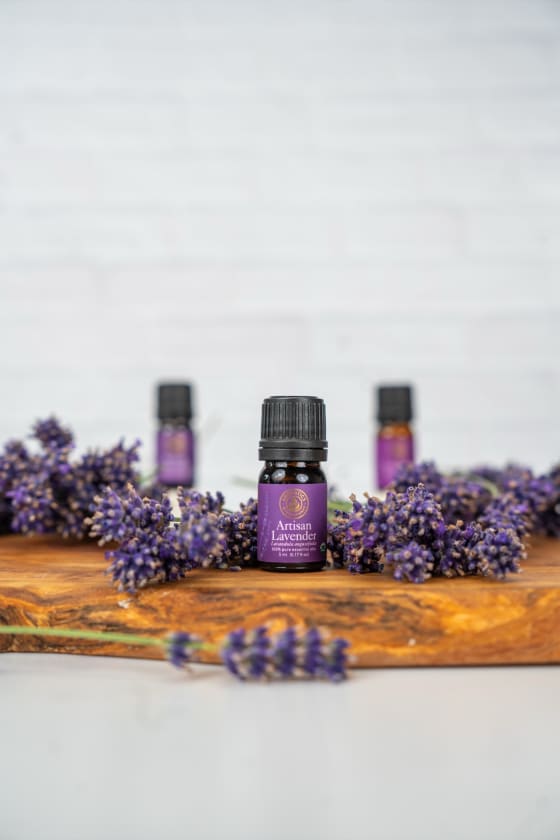
Lavender, if you own none of them. It is the most studied, the most forgiving in blends, and its linalool has measurable calming effects even for people who don't rate the scent as a favorite. If lavender does nothing for you, frankincense is our next answer, especially for overthinkers.
How long should the diffuser run at night?
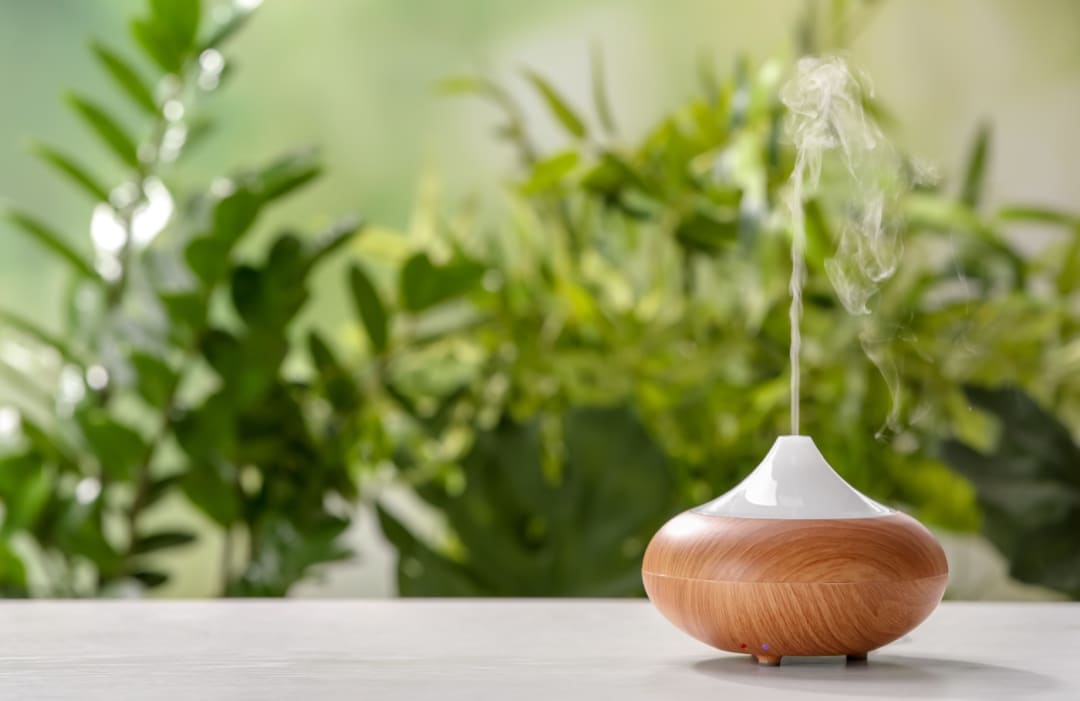
Start it about 15 minutes before bedtime, or set a 1-hour run as you get into bed. There is no need to diffuse all night; the nervous system gets the message early, and a smaller dose is the safer habit.
What about essential oils for kids at bedtime?
Kids over about five can use a mild spray such as our Sleep Sweet blend, three drops each of lavender and sweet orange in a small spray bottle, on the air rather than the skin. Under five, we prefer hydrosols, butters, and carrier oils instead of essential oils. Lavender hydrosol alone makes a lovely night spray.
Can aromatherapy help with sleep apnea?
Where aromatherapy helps is comfort around the treatment: easing congestion and the stress of adjusting to a CPAP, so rest comes a little easier. It will not treat the apnea itself, which is what the CPAP is for. Plenty of aromatherapists work with clients managing exactly this, in step with their medical team.
How many drops are in a milliliter?
About 25, as a working guideline. It varies a little with the oil's thickness, which is why our stock-blend recipes give both measurements.